
Hail Damage Siding Repair in Denver Metro
If your siding took hail, your roof almost certainly did too — and it is one claim, one adjuster, one deductible. We inspect both free before you file.
Free inspection, no obligation. Callback within 1 business hour.
Hail Damage Siding Repair in Denver Metro
Hail damage siding repair starts the same way every time: one inspection that documents the roof and the siding together, before anything is filed. Hail large enough to bruise shingles also cracks vinyl, dimples aluminum and steel, and leaves circular impact marks on fiber cement and LP SmartSide. Those are separate line items on the same claim, and they are among the most commonly missed.
Hilltop inspects, photographs and scopes siding damage alongside the roof, so the carrier sees the full extent of one storm rather than a shingles-only estimate. Where damaged panels are discontinued or no longer color-match, that becomes a documented argument for replacing the full elevation instead of patching a visible repair. Because both are damage from a single covered event, roof and siding are normally handled under one claim and one deductible — confirm the specifics with your carrier. We work Aurora, Denver, Centennial, Parker and Highlands Ranch. Book a free inspection or call 720-345-2070.
Siding hail damage is a roof claim you have not filed yet
Homeowners notice siding damage first because they can see it from the driveway. The roof took the same storm at a steeper angle and with more force — it is simply not visible from the ground. That sequence is why siding is one of the most commonly under-claimed items in Colorado hail losses: the siding gets noticed, the roof gets missed, and the homeowner settles a partial claim.
Filed together, roof and siding are a single claim — same date of loss, same adjuster, one deductible. Filed apart, you can end up paying your deductible twice and having the second claim questioned as unrelated to the storm. Getting both inspected before you call your carrier is the whole game.
Hilltop Contracting is a full-service, full-exterior contractor headquartered in Aurora. We are TAMKO Pro Certified, BBB A+ Accredited, licensed, and carry general liability and workers' compensation insurance. Start with a free exterior inspection, or read how we handle your insurance claim and roof replacement.
What hail damage looks like on each siding material
Adjusters look for different signatures depending on what is on the wall. Knowing what to point at is half of getting the scope approved.
- Vinyl
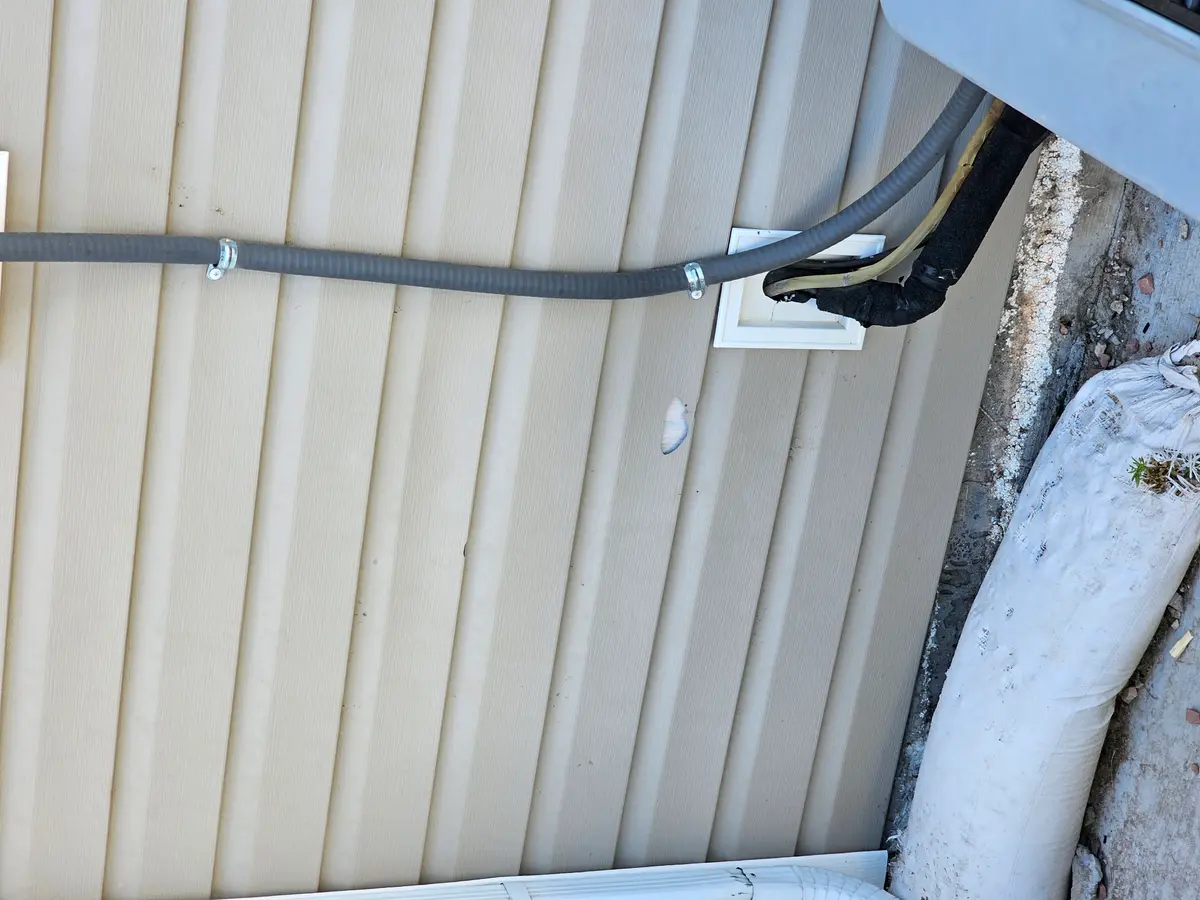
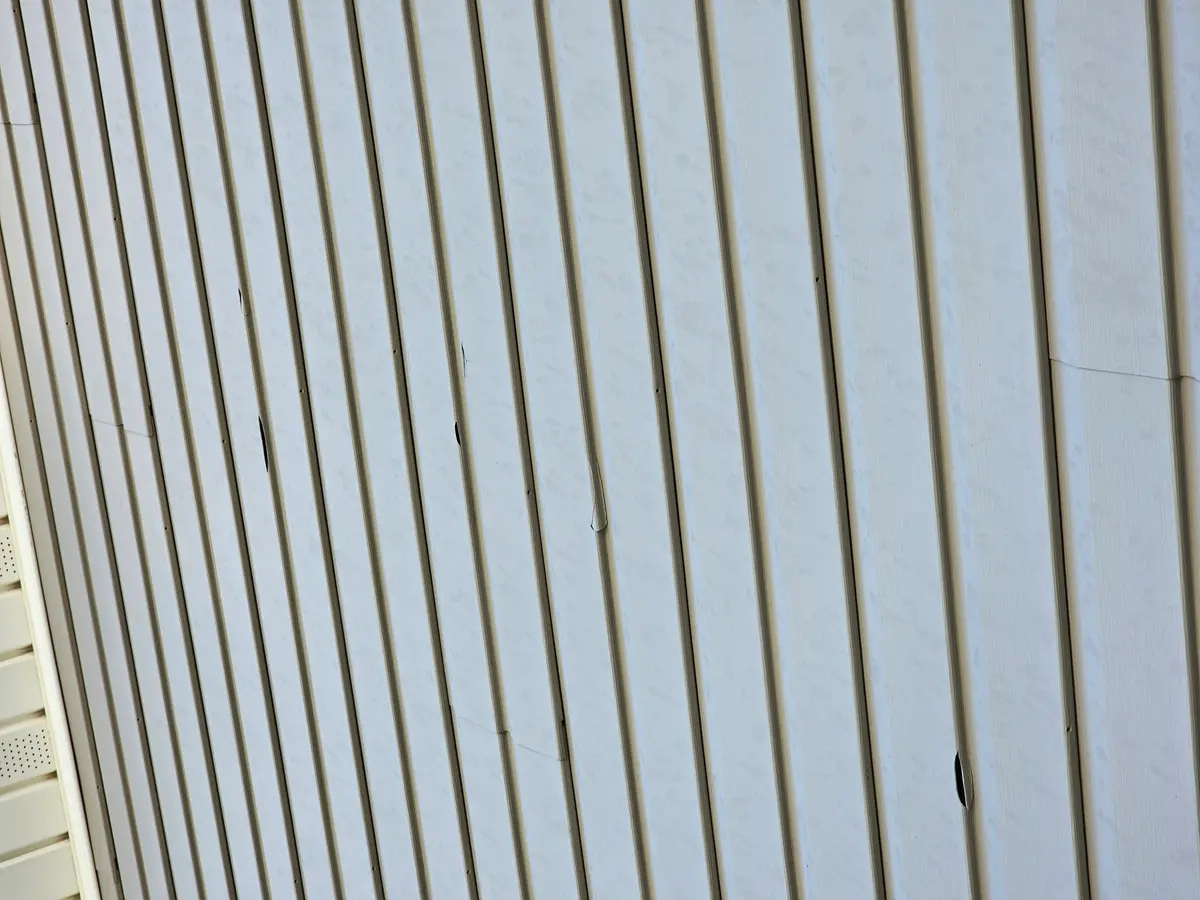
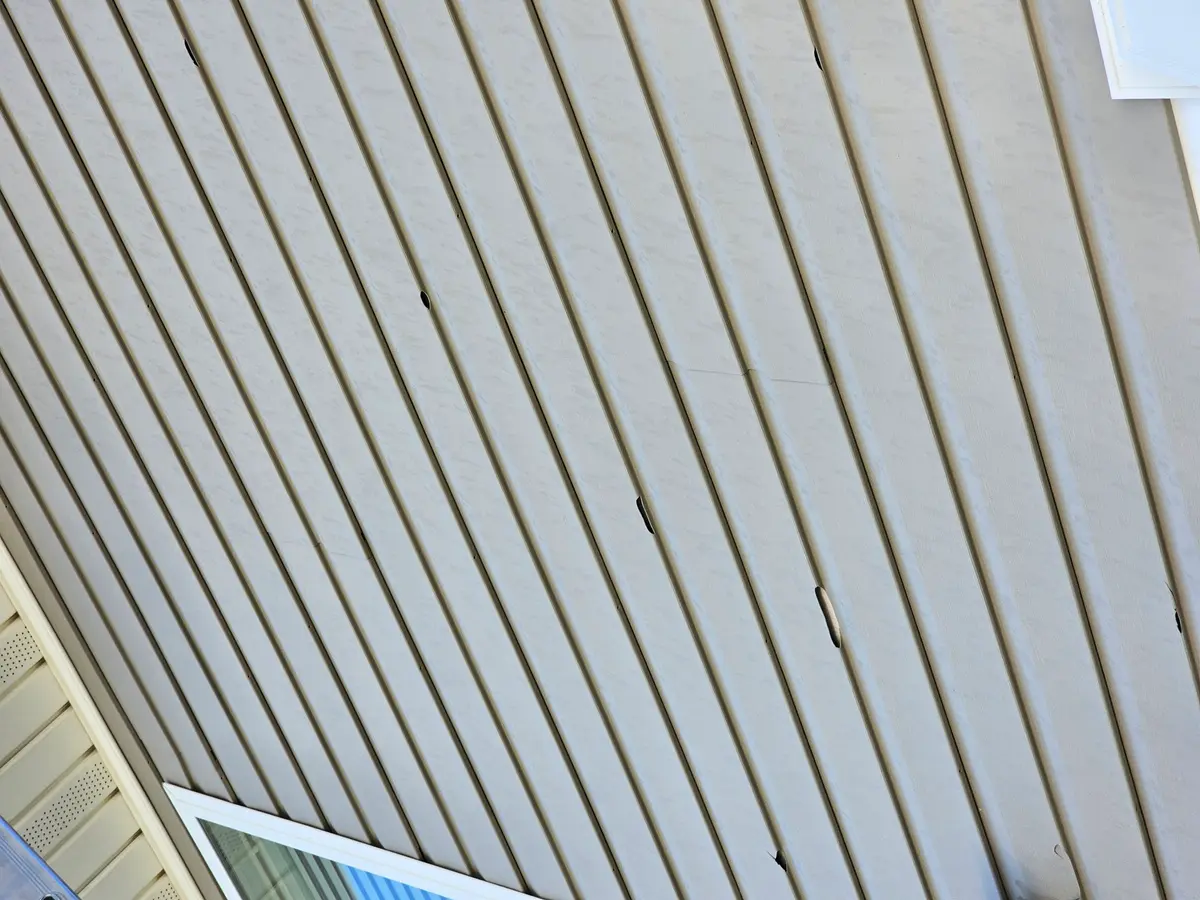
- Circular cracks, chips, and punch-through holes. Older vinyl goes brittle and often fails along a single course, which reads clearly as impact rather than wear. Hail on a cold day does disproportionate damage to vinyl.
- Aluminum
- Dents and dimpling, easiest to see in low raking light early or late in the day. Aluminum rarely breaches, so the damage is cosmetic in function but still a covered loss when it is storm-caused.
- Engineered wood and fiber cement
- Chipping, gouging, and fractured paint at the impact point. Because these materials are painted, an unrepaired impact becomes a moisture entry point — which is the argument for replacement rather than touch-up.
- The soft metals nearby
- Gutters, downspouts, window wraps, vents, and A/C fins. These dent readily and establish hail size and direction for the adjuster. We photograph them on every inspection because they corroborate everything else in the scope.
The matching problem, and why it matters to your payout
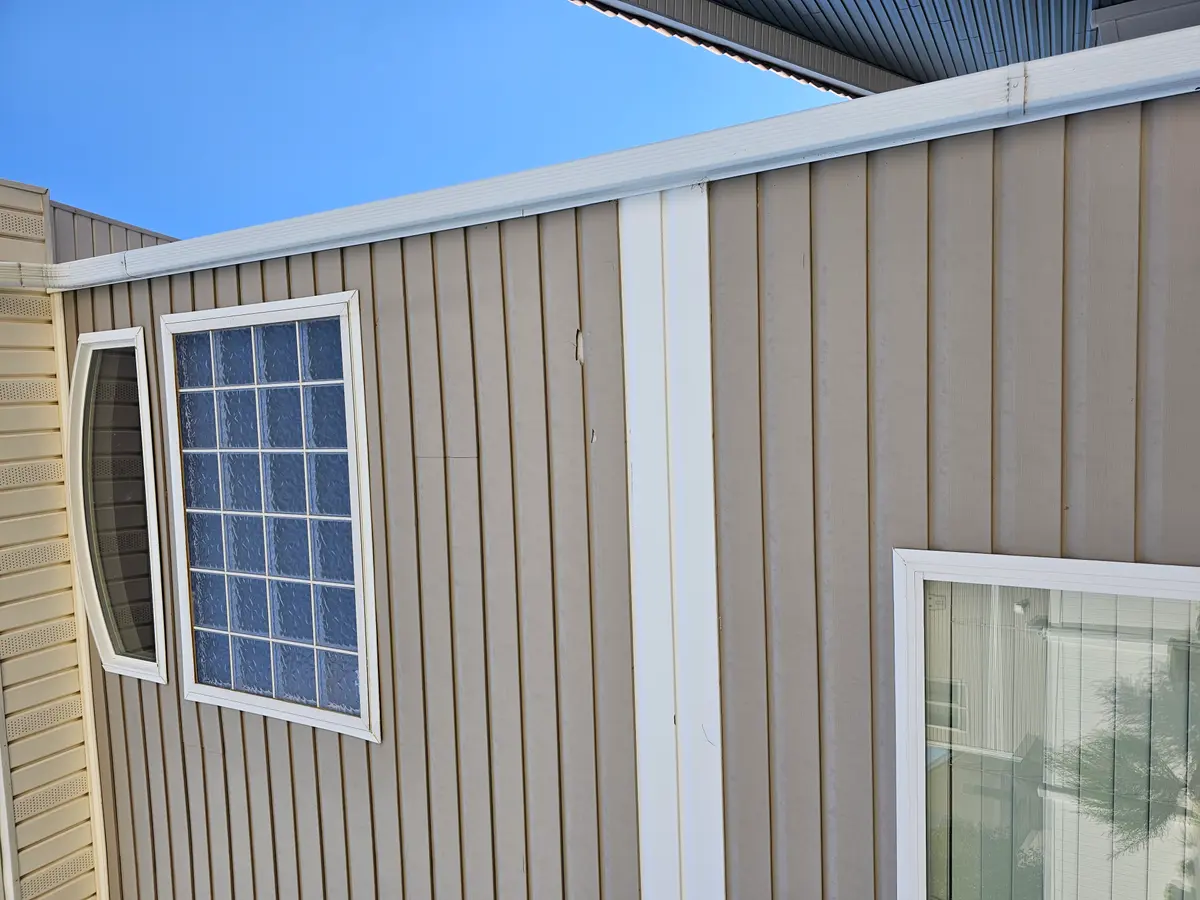
Siding fades. Manufacturers discontinue colours and profiles. Ten years after installation, a spot repair on a storm-facing elevation frequently reads as a visible patch even when the replacement panel is nominally the same product.
That matters because Colorado carriers commonly pay for full-elevation replacement when a reasonable match is not available — but only when the matching problem is documented. We photograph the existing profile, record the manufacturer and colour where legible, and establish availability, so the full-side line item is supported by evidence rather than argued after the estimate comes back short.
- Storm damage inspection and photo documentation, roof and siding together
- Insurance claim coordination for the combined scope
- Matching assessment and full-elevation justification where needed
- LP SmartSide, James Hardie fiber cement, and vinyl options
- Trim, corner boards, fascia, and window wrap replacement
Hail Damage Siding FAQ
Yes, when hail caused the damage and your policy covers it. Siding and roof damage almost always come from the same storm, which means they belong on the same claim, with the same adjuster and the same deductible. The mistake homeowners make is claiming the roof, settling, and only later noticing the siding — by then it is a second claim, a second deductible, and often past the filing window.
Almost always. Hail large enough and driven hard enough to dent or crack siding on the storm-facing elevation has hit the roof at a steeper angle and with more force. Siding damage is visible from the ground, which is why homeowners notice it first — the roof damage is there, it is just not visible until someone gets on it. If you can see damaged siding, get the roof inspected before you file.
It depends on the material. Vinyl shows circular cracks, chips, or holes, and on older brittle vinyl the damage often runs in a line along a single course. Aluminum shows dents and dimpling that are easiest to see in low, raking light. Engineered wood and fiber cement show chipping, gouges, and paint fracture at the impact point. On every material, check the soft metals nearby — gutters, downspouts, window wraps, and vents — because dents there confirm hail size and direction for the adjuster.
Sometimes, but matching is the deciding factor. Siding fades with UV exposure, and manufacturers discontinue colours and profiles, so a spot repair on a ten-year-old elevation frequently reads as a patch. Where a reasonable match is not available, Colorado carriers commonly pay for full-elevation replacement rather than a mismatched repair. We document the matching problem specifically, because that documentation is what supports the full-side line item.
One claim, when they are filed together. Same storm, same date of loss, same adjuster, one deductible. This is the single biggest reason to have both inspected before you file rather than after — splitting them into two claims can mean paying your deductible twice and having the second claim scrutinised as unrelated.
LP SmartSide engineered wood handles Front Range freeze-thaw cycles, UV, and hail better than vinyl while still looking like real wood. James Hardie fiber cement is the premium option — heavy, paintable, and highly impact-resistant. Vinyl remains the cost-effective choice and is what many Denver Metro homes already have. We will tell you what your elevation actually needs rather than defaulting to the most expensive option.
A single storm-facing elevation is typically one to two days. A full-home replacement usually runs three to five days depending on square footage, the number of penetrations, and whether trim, corner boards, and fascia are in scope. When siding and roof are on the same claim we sequence the roof first, so nothing lands on newly installed siding.
Our siding work is focused on storm damage restoration — documenting the damage, getting the claim fairly paid, and restoring the exterior to pre-storm condition. If you are looking at a cosmetic remodel with no insurance component, we will tell you plainly whether we are the right fit.
Get Your Free Roof Inspection Today
One inspection covers roof and siding — so you file one claim, not two.
Response within 1 business hour · Serving Denver Metro & Front Range